
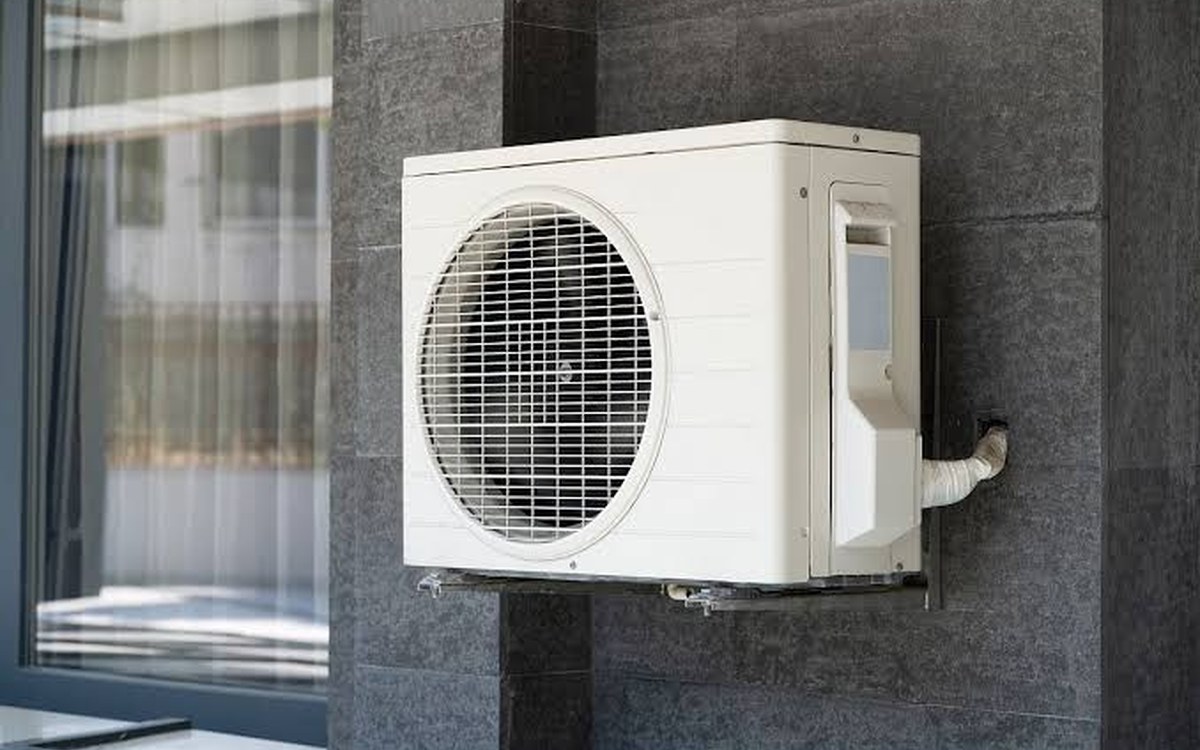
A split system is one of the few things you will put in your home that has to be done right on the first go. Get the install right and it runs quietly for fifteen years. Get it wrong and you are chasing tripping safety switches every hot afternoon, or paying someone to redo work you already paid for once.
Most of what decides that comes down to the electrical work behind the unit: the circuit feeding it, how it is protected, and whether your switchboard was ever built to carry it. That is the part we handle, and it is the part quotes tend to go quiet about.
What a good install actually needs
A split system is a permanently connected appliance drawing real current, and the wiring rules treat it that way. Four things have to be right.
- A dedicated circuit. Most split systems need their own circuit run from the switchboard, not a share of the one already feeding your bedroom power points. Sharing is where nuisance tripping starts, and it is the most common shortcut we get called out to fix.
- An isolator within sight of the unit. There has to be a way to kill power to the outdoor unit where someone servicing it can see it. That is a safety requirement, not an upsell, and it is the first thing an inspector looks for.
- Safety switch protection. The circuit needs correct RCD protection at the board. On older boards that sometimes means the board itself has to be dealt with first.
- A compliance certificate. Every piece of electrical work we do gets certified. That is the document that matters if you ever sell the house, claim on insurance, or have a problem down the track.
Why your switchboard usually decides the price
Two identical units on two identical walls can produce very different electrical quotes, and the reason is almost always inside the switchboard rather than out on the wall.
If your board has a spare way, modern safety switches and enough capacity, adding a split system circuit is straightforward. If your board is full, still running old ceramic fuses, or has no room to add protection, then the board has to be sorted before anything else can happen. That is not an installer padding the invoice, it is the order the work has to happen in.
The honest version: we cannot give you the number until we have opened your board and looked. What we can tell you is which of those two situations you are in, before you commit to anything.
| What we do | What it covers | When it applies |
|---|---|---|
| Dedicated circuit and cable run | New circuit from the switchboard to the unit, correctly sized cable, mounting and termination. | Almost every install. |
| Isolator | Isolation switch installed within sight of the outdoor unit so it can be safely serviced. | Every install. |
| Testing and certification | Full test of the new circuit plus the compliance certificate for the work. | Every install. |
| Switchboard work | Adding capacity or bringing protection up to current standards so the new circuit can be added safely. | Only when your board cannot take the circuit as it stands. |
We quote a fixed price once we have seen the board and the run. No hourly creep, and no discovering the switchboard problem halfway through the day.
Where installs go wrong
The three faults we get called back to fix, in order of how often we see them.
- Piggybacked off an existing circuit. Cheap on the day, annoying forever. The safety switch trips when the compressor kicks in on a hot afternoon, which is exactly when you wanted it running.
- No isolator, or one nobody can reach. The next person who services the unit cannot safely isolate it, and it fails inspection.
- No certificate. If nobody hands you a compliance certificate, there is no record the electrical work was ever done to standard. That becomes your problem at sale time, not theirs.
Running it off your own power
A split system is one of the biggest loads in a typical home, and it works hardest exactly when the sun is out. That makes it the best argument going for solar and a battery working together.
Run the aircon at two in the afternoon on grid power and you pay full rate. Run it off your roof, or out of a battery you charged for free that morning, and it costs you very little. If you are already thinking about cooling, it is worth knowing what a battery would do to that bill. Have a look at home battery and solar, where the federal rebate takes up to $5,900 off an eligible system upfront.
Worth knowing: if your switchboard needs work for the split system anyway, that is usually the cheapest moment to also make it battery ready. One visit, one lot of labour, instead of paying twice.
The short version
A split system is only as good as the circuit behind it. Dedicated circuit, isolator within sight, correct protection, tested and certified. Your switchboard, not the unit on the wall, is usually what decides the cost and whether the job is straightforward at all.
If you want a straight answer on what your board can take, get in touch and we will look before you commit to anything. If you would rather see the whole picture first, our switchboard upgrades page explains what a modern board should have on it.